
 Revit/BIM Content


 Buy Aluminium online

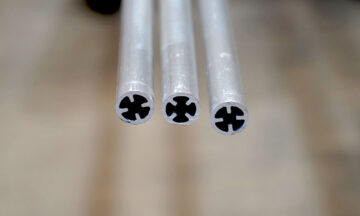

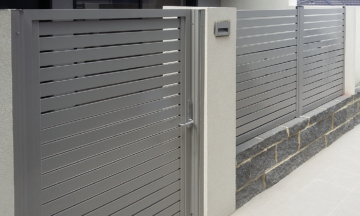







































An “alloy” is a metal blended from different elements, often to enhance the strength and durability of the material. Aluminium is typically alloyed with silicon, tin or manganese depending on the desired application. With the right combination of elements, aluminium can acquire a lot more strength, and in some cases, even outperform steel!
So how do you know which aluminium alloy is right for you?
Ultimately, it’s all about how you are going to use the aluminium alloy.
Choosing the Right Aluminium Alloy
Selecting the correct aluminium alloy for your project depends on the specific requirements of your application. Here’s what you need to consider:
- Strength and Structural Integrity
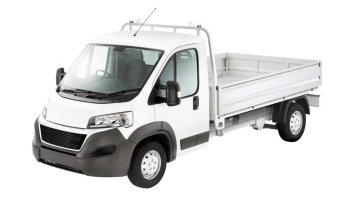
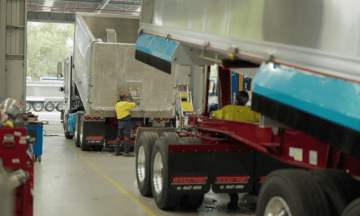
For applications where strength is paramount, alloys in the 6000 series, such as 6060 and 6063, are excellent choices. If strength is the most important factor to your project, you should probably choose an alloy in the 6,000 series – such as 6060 or 6063. For structural applications grades the most popular alloys are 6061 or 6005. These alloys are commonly used in architectural and structural applications due to their balance of strength and corrosion resistance.- 6061: Ideal for structural components and heavy-duty applications like truck frames or aerospace parts.
- 6005: Preferred for structural and engineering applications requiring enhanced mechanical properties.
- Corrosion Resistance
If your project involves marine environments or exposure to harsh weather, 5000 series alloys, like 5052, are highly corrosion-resistant and well-suited for sheet and flat products. Most aluminium extrusions we sell are in this series whereas most of our sheet and flat products are sold in a 5000 series. - Machinability and Formability
Aluminium’s machinability is affected by its temper. For example:- T4 temper is ideal for applications requiring bending or forming.
- T6 temper offers superior hardness and strength, making it suitable for load-bearing components.
- Surface Finish
Consider the desired surface finish. Alloys in the 6000 series are often chosen for anodising, offering an attractive and durable finish.
Why Temper Matters
The temper designation of aluminium alloys refers to their mechanical processing and heat treatment, which directly affects their hardness and flexibility. For applications requiring bending you would commonly use T4, whereas if you wanted to maximise hardness, T6 would be preferred. A quick guide:
- T4: Great for projects that require bending or shaping.
- T6: The go-to temper for maximum strength and stiffness, often used in aerospace and automotive industries.
Totally confused? Fear not – it’s all clearly explained here; Aluminium alloys breakdown. Capral are expert aluminum trade supplies, so if you need to discuss, call us up and have a chat!
We understand that selecting the right aluminium alloy can be complex. That’s why Capral is here to help. With decades of experience in aluminium trade supplies, we offer expert advice tailored to your unique needs.