
 Revit/BIM Content


 Buy Aluminium online






















From a small shade sail business to a growing Tasmanian manufacturer, Kings Outdoor Living has built its success around a willingness to make things differently.
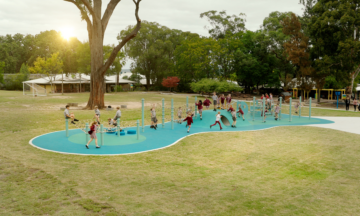
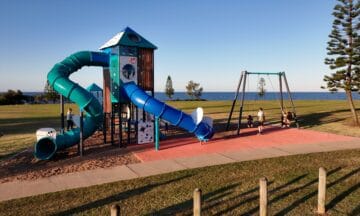
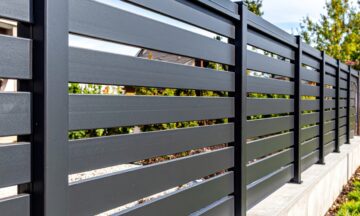
Today, the Sorell-based business designs, manufactures and installs an extensive range of outdoor shade and shelter systems, with its products found across schools, parks, sporting clubs, hospitality venues and homes throughout Tasmania. Increasingly, aluminium has become central to how those products are designed and made.
For co-owner Sam King, that evolution has been driven by practical experience and a determination to solve problems rather than simply work around them.
Kings began in 2008, when Sam purchased a small shade sail business while working as a carpenter. As demand grew, his brother Will joined the business, bringing another carpenter’s perspective and complementary building experience.
What began as a seasonal operation gradually expanded into something much bigger. New products were added, local manufacturing capabilities developed and Kings began designing its own systems, transforming the business from an installer of other companies’ products into a manufacturer with ambitions well beyond Tasmania.
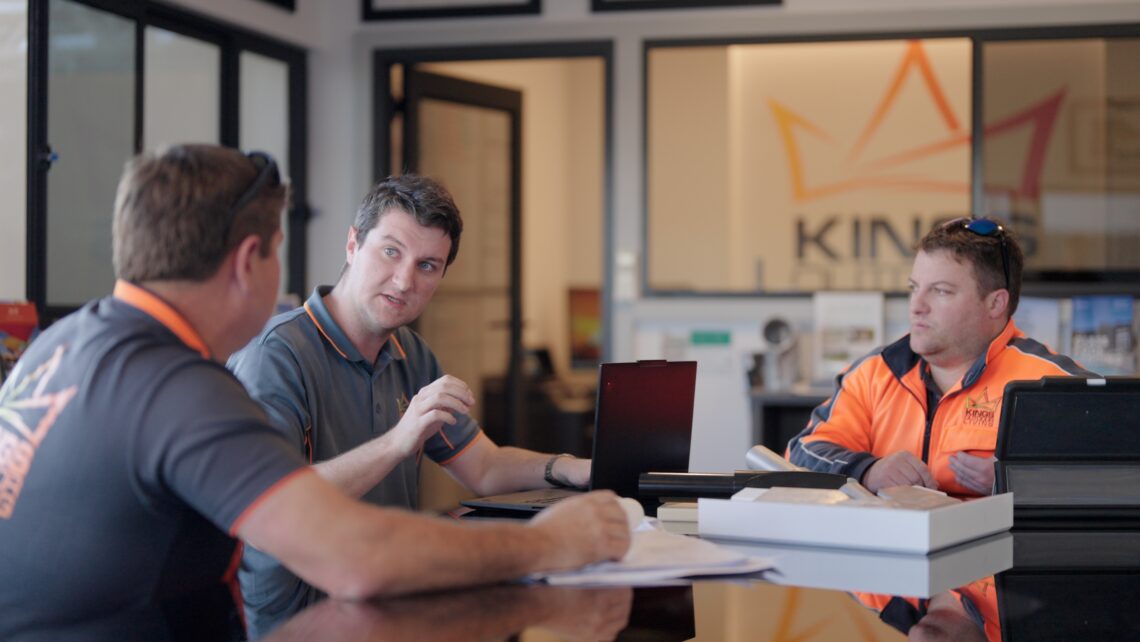
As Kings expanded into umbrellas, balustrades, sunrooms and other outdoor products, sourcing from mainland Australia became an ongoing frustration. “With the Bass Strait freight cost, and complexity, and timing, and damage, we thought, ‘We should probably start making some of this stuff.’”
Initially, much of that locally manufactured product was steel. But for a company that installs what it makes, weight quickly became an issue. “Once you’ve carried large steel pipe up flights of stairs with a few guys, you realise the advantages of aluminium,” Sam says.
Kings began exploring aluminium for its modular systems, progressively moving products such as shade sail posts and umbrellas away from steel. The lighter material made handling and installation easier and suited the coastal environments where much of the company’s work is located. “Because we install what we make, our thought process is always really heavily orientated to how are they actually going to get that to that location,” Sam explains.
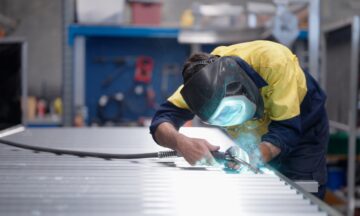
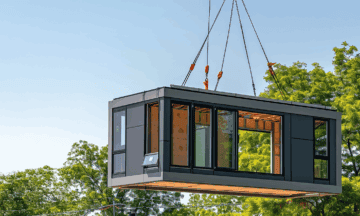
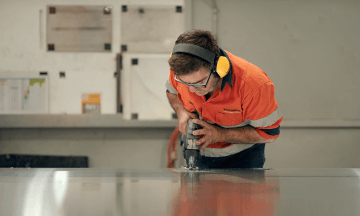
From its workshop in Sorell, Kings now designs, manufactures and installs a broad range of outdoor systems. CAD and 3D printing help the team refine concepts before manufacture, while prefabricating in the workshop reduces installation time on site.
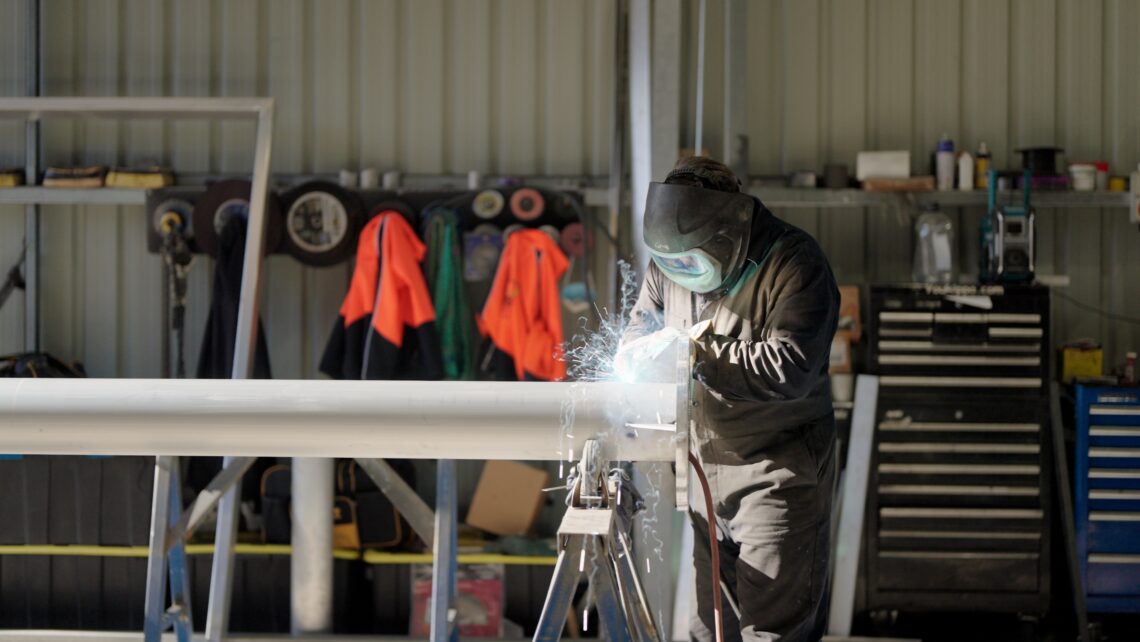
For Sam, much of the satisfaction comes from solving problems that once seemed unavoidable. Kings has developed above-ground footing systems where underground services can make excavation difficult, while its modular approach helps simplify installation in schools and other established spaces.
“I get a real kick out of the design aspect of it,” he says. “Especially solving issues that used to be problems.”
Capral has supported Kings through much of its transition into aluminium. Coming from a carpentry rather than fabrication background, Sam says access to product knowledge and technical guidance has been particularly valuable.
“Capral’s capability, especially talking you through extrusions, how they work, and the grades of aluminium was a bit of a learning curve for me.” Capral representative Luke has become a regular sounding board as Kings develops new ideas. “Luke has never not called me back. He’s never not found out an answer to a question,” Sam says.
For Kings, the relationship is about more than sourcing aluminium. Capral also provides manufacturing capability for components Kings cannot produce in-house and supports the team with extrusion design, material selection and product performance. “We’re after service, consistency and product knowledge, and I don’t think anyone covers that anywhere near as well as Capral.”
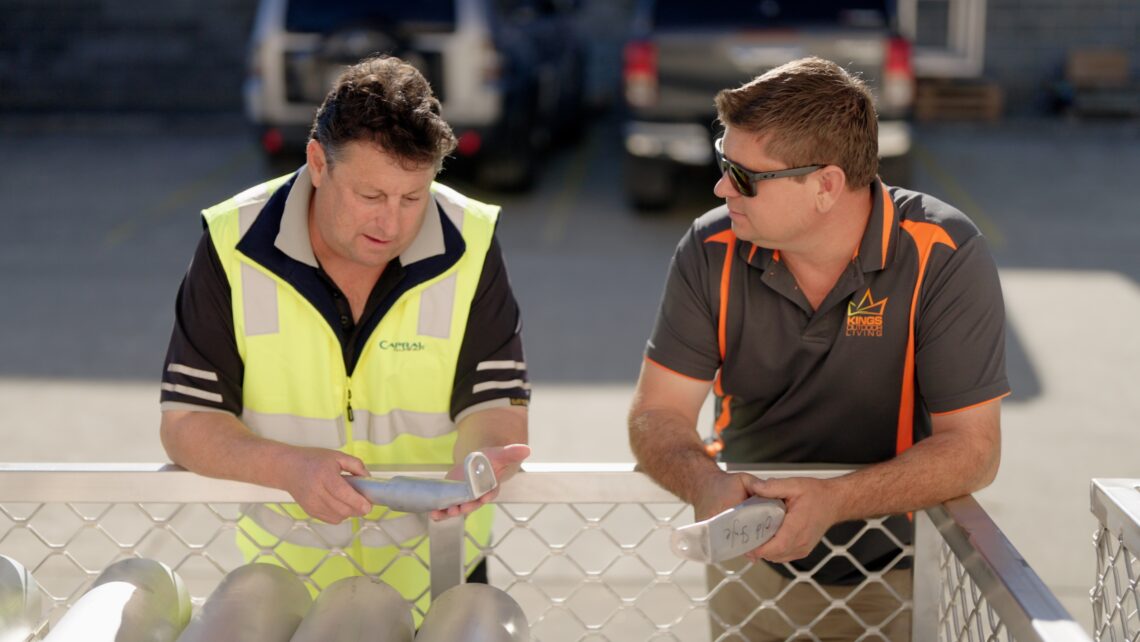
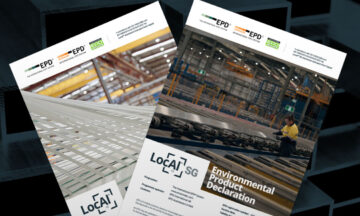
There is also pride in using Australian extruded aluminium. Kings has begun incorporating Capral LocAl® lower-carbon aluminium into its offering, which Sam says has been well received by school procurement teams.
Today, Kings employs around 17 people and its work can be found across Tasmania. After years developing and proving its systems locally, the business is beginning to look beyond the island.
Kings has already supplied products into northern New South Wales, giving Sam a glimpse of what the next chapter could look like. “I’d like to drive down a street unexpectedly somewhere on the mainland and go, ‘Oh, there’s an umbrella I didn’t know was even going to be there,’” he says.
For a Tasmanian business built around solving practical problems, it is a fitting ambition for where Kings Outdoor Living hopes to go next.