

 Revit/BIM Content


 Buy Aluminium online

Stocked Offer Catalogue
Download










































Healthcare
Windows and doors play a crucial role in healthcare environments, creating a healing environment and ensuring the well-being of patients, staff, and visitors. With a focus on functionality and aesthetics, Capral has a wide range of products that suit the particular needs of Healthcare facilities, from acoustic control to energy efficiency, infection control, and patient privacy.
When it comes to healthcare facilities, the choice of windows and doors goes beyond mere aesthetics. The right selection can significantly impact the environment’s safety, efficiency, and comfort. Healthcare facilities have unique requirements to consider when choosing windows and doors. For instance, the windows and doors must withstand high traffic, be easy to clean and maintain, provide sufficient natural light, and ensure proper ventilation. Additionally, they should contribute to infection control measures, minimize noise pollution, and offer privacy to patients and staff. Considering these factors will improve the facility’s overall functionality and enhance the healing experience for patients.
Enhancing safety with the right windows and doors is paramount in healthcare facilities. Hospitals and clinics are often high-security environments, and the windows and doors should be designed to prevent unauthorized access and ensure the safety of patients and staff. Reinforced glass, strong frames, and advanced locking mechanisms are some of the features to consider when prioritizing security. Additionally, windows and doors should comply with fire safety regulations, providing accessible escape routes in emergencies. By choosing the right windows and doors, healthcare facilities can create a secure environment that instils confidence and peace of mind.
Improving energy efficiency is not only beneficial for the environment but also contributes to cost savings for healthcare facilities. Energy-efficient windows and doors can help reduce heating and cooling expenses, making the facility more sustainable and economical. Opting for double-glazed or low-emissivity glass and insulated frames can significantly improve thermal insulation and reduce energy loss. It is also essential to consider the orientation of the windows to maximize natural light while minimizing heat gain or loss. Healthcare facilities can create a more sustainable and budget-friendly environment by choosing energy-efficient windows and doors.
Creating a comfortable environment for patients and staff
Comfort is key when it comes to healthcare facilities. Patients and staff spend significant time within these spaces, and the right windows and doors can significantly enhance their experience. One crucial aspect to consider is noise control. Healthcare facilities can be noisy environments, with constant activity and the potential for disruptive sounds. Acoustic windows and doors help create a quieter and more peaceful atmosphere, allowing patients to rest and recover without unnecessary disturbances. Using acoustic glazing and seals can reduce noise transmission, ensuring a calm and healing environment.
In addition to soundproofing, windows and doors also play a role in maintaining proper ventilation within healthcare facilities. Good indoor air quality is essential for the well-being of patients and staff, as it helps prevent the spread of airborne infections and improves overall comfort. Windows that can be easily opened and closed and doors with proper airflow mechanisms contribute to efficient air circulation. This not only enhances the convenience of the space but also promotes a healthier environment for all occupants.
Patient privacy is another crucial consideration when choosing windows and doors for healthcare facilities. Privacy is essential for maintaining the dignity and confidentiality of patients, particularly in areas such as examination rooms, patient wards, and counselling spaces. Privacy glass options, such as frosted or tinted glass, can provide confidentiality while allowing natural light to filter through. Additionally, blinds or curtains can offer further control over privacy levels. Healthcare facilities can create a welcoming and respectful environment that promotes trust and well-being by prioritizing patient privacy.
Types of windows suitable for healthcare facilities
When selecting windows for healthcare facilities, it is essential to consider the specific needs and requirements of the facility. Several types of windows are available that are suitable for healthcare settings, each with unique benefits. One popular option is casement windows, which offer excellent ventilation and can easily open and close. They provide an expansive view and allow for maximum natural light, making them ideal for patient rooms and common areas. Another option is sliding windows, which are easy to operate and provide good airflow. Sliding windows are often used in areas where space is limited, such as corridors and utility rooms.
For areas that require enhanced security, laminated glass, commercial frames, and security screens can be options ideal for high-security areas such as emergency rooms and psychiatric units.
To maximize energy efficiency, double-glazed or triple-glazed windows are recommended. Double-glazed or triple-glazed windows help reduce heat loss in winter and heat gain in summer, resulting in improved energy efficiency and reduced utility costs. They are particularly beneficial for healthcare facilities located in extreme climates.
Types of doors suitable for healthcare facilities
Like windows, choosing the right doors for healthcare facilities is crucial for safety, efficiency, and comfort. There are various types of doors suitable for healthcare settings, each serving a specific purpose. One commonly used type is the automatic sliding door. These doors are convenient and easy to operate, allowing for smooth and efficient entry and exit. Automatic sliding doors are often used in high-traffic areas such as main entrances and corridors, providing easy accessibility for patients, visitors, and staff. They are equipped with sensors that detect movement, ensuring a seamless, hands-free experience.
For areas that require privacy, such as patient rooms and consultation areas, hinged doors with privacy glass or solid panels are recommended. Hinged doors provide a traditional and familiar aesthetic, while privacy glass or solid panels offer the necessary confidentiality.
In conclusion, choosing the right windows and doors for healthcare facilities enhances safety, efficiency, and comfort. By considering security, energy efficiency, comfort, and privacy, healthcare facilities can create a healing environment that promotes the well-being of patients, staff, and visitors. From soundproofing to infection control, the right selection of windows and doors can significantly affect healthcare spaces’ overall functionality and aesthetics.


Our Range
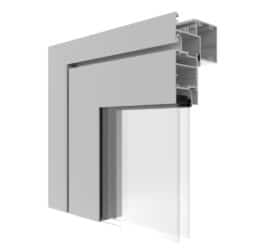 AGS Commercial 50 Multi-point Awning
A high-performance commercial awning window with integrated multi-point locking.

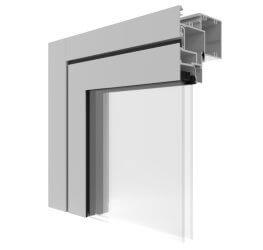 AGS Commercial 50 Awning Sash
The AGS 50 Series window is a high-performance commercial awning window compatible with AGS framing.
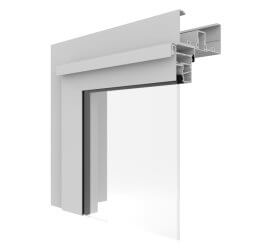


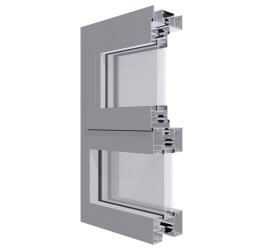
 Futureline Horizontal Sashless Window
The Futureline Horizontal Sashless Window is a sleek, modern take on the traditional sliding window.

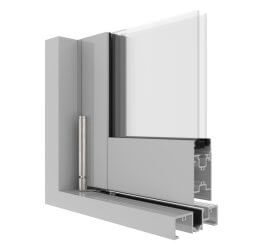


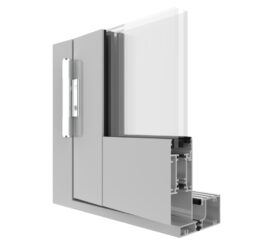
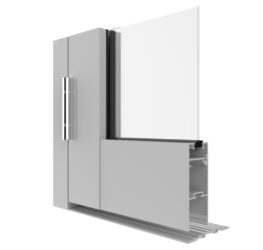


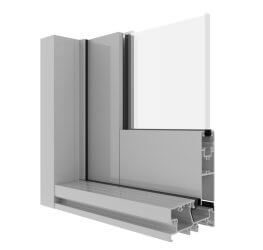
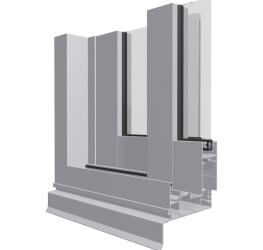
 Futureline 994TB Sliding Door
The Futureline 994TB Sliding Door is a premium option for convenience, comfort, and efficiency.
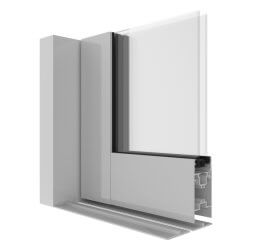
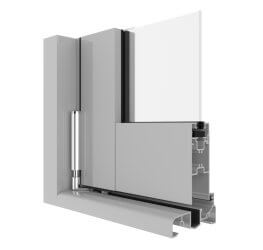
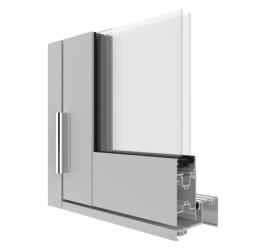
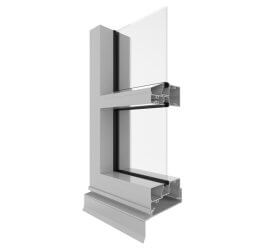
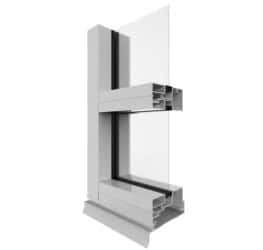 SGS Commercial 400 Narrowline Single Glazed (100mm) (QLD Only)
The SGS 400 Narrowline framing system redefines the standard for centre-glazed framing.


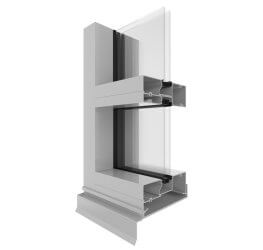


 AGS Commercial 1029 Flushline Double Glazed (250mm)
Flushline AGS1029 is the new name for the product formerly known as Flushline419DG 250mm * 55mm
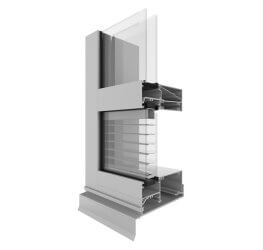
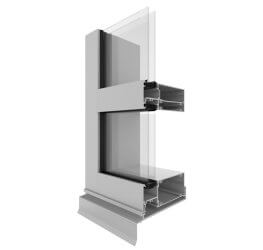


Windows and doors for healthcare applications
Capral aluminium windows and doors are tested to comply with all relevent Australian Standards

AS2047:2014 Windows and external glazed doors in buildings
Sets out the minimum requirements for windows and glazed door products used in Australian buildings. All products shown with this mark have been tested and comply with this standard
AS1428.1 Design for Access and Mobility
Provides building designers and users (architects, property owners and regulators) with the minimum design requirements for new building work to enable access for people with disabilities.

ASI Chain of Custody (V2 2022)
The ASI Chain of Custody Standard creates a link from company practices to responsible sourcing of products, by connecting Certified suppliers and customers.

ASI Performance Standard (V3 2022)
The ASI Performance Standard defines environmental, social and governance principles and criteria, which address a broad range of sustainability issues in the aluminium value chain.
Related Projects
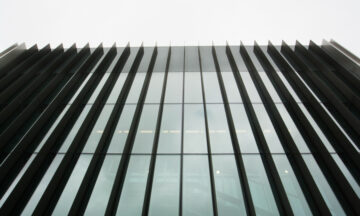
Ballarat Base Hospital
Ballarat Base Hospital has recently been handed over – our photography team got in just as the final touches were being put in place. Featuring our MAX 182mm and MAX 150mm Structural Glazed suites, MAX commercial doors and custom fins, the new building is high quality from top to tail.
Healthcare
Charlestown Health Facility: Precision Glazing for Specialist Healthcare Design
The Charlestown Eating Disorder Facility demonstrates how precision glazing and Capral aluminium systems supported a specialist healthcare environment focused on safety, performance and patient wellbeing.
Healthcare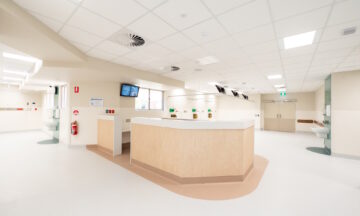
Collie Health Services Stage 2 Redevelopment
The Collie Health Services Stage 2 Redevelopment marked a significant milestone in modernising healthcare facilities in regional Western Australia.
Healthcare