
 Revit/BIM Content


 Buy Aluminium online

Stocked Offer Catalogue
Download


































Cyclone
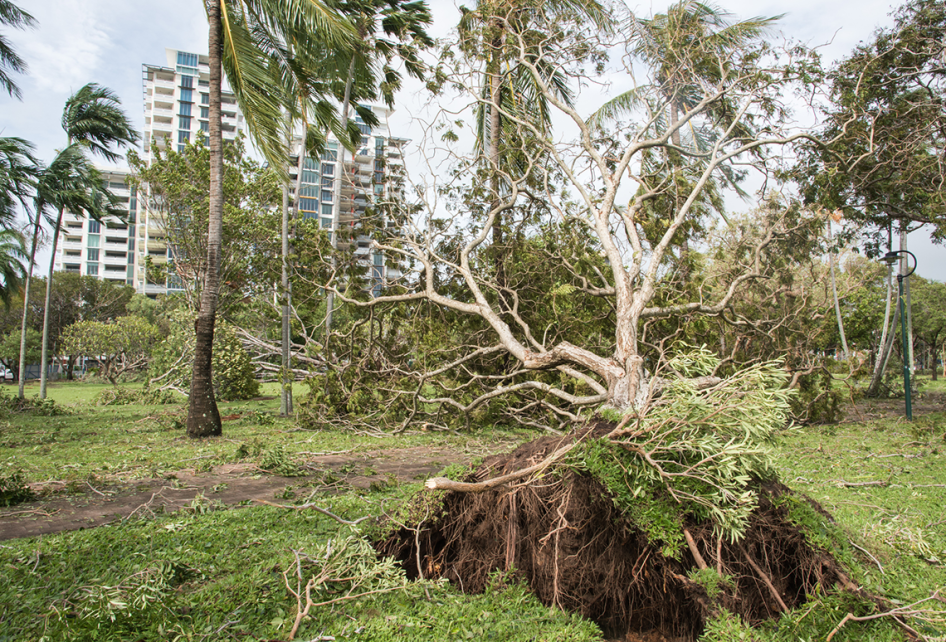
Living in cyclone-prone regions of Australia requires special attention to selecting and specifying windows and doors. These essential components of your home play a vital role in safeguarding your property and loved ones from the destructive forces of cyclones.
Windows and doors are more than just entry points and natural light sources in our homes. In cyclone-prone regions, they have a crucial role in protecting our homes from the devastating effects of cyclones. During a cyclone, high-speed winds can exert tremendous pressure on the surfaces of buildings, including windows and doors. If these components are not structurally sound or adequately secured, they can fail, leading to significant damage to the property and potential harm to the occupants.
To mitigate the risks associated with cyclones, windows and doors specifically designed and tested for cyclonic regions should be selected. These specialized products offer strength and durability, capable of withstanding the intense forces generated by cyclones. Additionally, they are designed to prevent the infiltration of wind-driven rain and debris, further protecting the interior of your home.
Building Codes and Regulations for Windows and Doors in Cyclone-Prone Areas
To ensure the safety and resilience of buildings in cyclone-prone areas, Australia has established strict building codes and regulations that govern the design and installation of windows and doors. These codes aim to enhance the structural integrity of buildings, reduce the risk of component failure during cyclones, and protect the lives and property of occupants.
One of the key requirements outlined in these codes is impact-resistant glazing for windows and doors. This type of glazing is designed to withstand the impact of flying debris propelled by cyclonic winds. By preventing the penetration of debris, impact-resistant glazing helps maintain the integrity of windows and doors, reducing the likelihood of failure and subsequent damage to the property.
In addition to impact resistance, building codes also specify the minimum wind pressure resistance that windows and doors must meet. These standards are based on extensive research and testing to determine the forces exerted by cyclonic winds. By adhering to these regulations, homeowners can ensure that their windows and doors can withstand the anticipated wind pressures in their specific cyclone region.
Testing for Windows and Doors in Cyclone Regions
Rigorous testing is conducted to assess the performance of windows and doors in cyclone-prone regions and their resistance to cyclonic forces. These tests simulate the conditions experienced during a cyclone, including high-speed winds and the impact of flying debris. By subjecting windows and doors to these tests, manufacturers can certify their products’ suitability for use in cyclone regions.
One of the standard tests performed on windows and doors is the impact test. During this test, a large projectile, representing the type of debris encountered in cyclones, is propelled at high velocity towards the window or door. To achieve a pass, the product must withstand the impact without penetration or significant damage.
Another critical test is the cyclic pressure test. This test involves subjecting the window or door to alternating positive and negative wind pressures, simulating the fluctuating forces experienced during a cyclone. The product’s structural integrity and resistance to fatigue are evaluated by repeatedly applying these pressures.
By selecting windows and doors that have undergone rigorous testing and certification for cyclonic regions, homeowners can have confidence in the performance and reliability of these critical components during a cyclone event.
Capral offers a limited range of Cyclone-tested window and door products and screens.
Understanding the Risk of Dominant Openings in Buildings
In cyclone-prone regions, the risk of wind damage is not evenly distributed throughout a building. Specific openings, such as large windows and sliding glass doors, are particularly vulnerable to the destructive forces of cyclones due to their size and susceptibility to wind pressure.
These dominant openings can act as weak points in a building’s envelope, allowing wind to exert a greater force on the structure. If these openings fail, the wind can enter the building, leading to increased internal pressures and potential structural collapse.
It is important to consider the specification and placement of windows and doors to mitigate the risk associated with dominant openings.
Understanding Corner Loadings in Buildings
In addition to dominant openings, the corners of buildings are also susceptible to increased wind pressures during cyclones. The unique geometry of corners can result in the accumulation and concentration of wind forces, leading to higher pressures and increased risk of structural failure.
Special attention must be given to the design and construction of corners in cyclone-prone areas to address this issue,. Considering corner loadings in selecting and specifying windows and doors in cyclone-prone regions is critical.
By understanding the unique challenges corners present and employing appropriate design and construction techniques, architects can ensure the structural integrity of their buildings during cyclone events.

Our Range


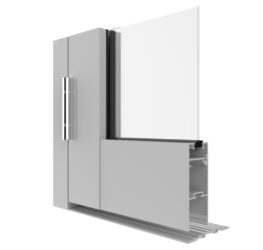
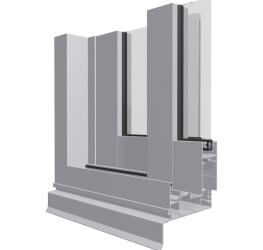
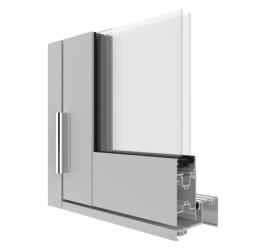

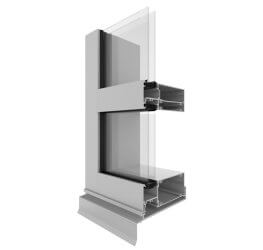


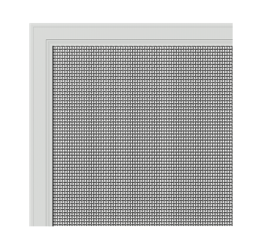
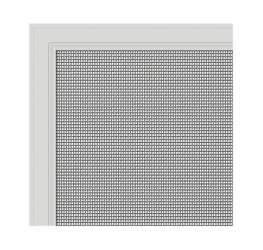

Tested Windows for Cylone regions
Capral offers a range of window, door and security products tested for use in Cyclone prone areas. These products are rigorously tested to ensure they can withstand the forces associated with cyclonic events.

AS1170.2 Structural Design Actions: Wind Actions
The Australian Standard (AS) 1170.2 (Wind driven debris) test simulates the effects of wind driven debris, not just the significant wind loads during an event. Research has demonstrated protecting the outer skin of a home from wind driven debris, will significantly improve the chances to retain a roof during a severe weather event. A number of Capral window and door systems have been tested to this standard.

AS2047:2014 Windows and external glazed doors in buildings
Sets out the minimum requirements for windows and glazed door products used in Australian buildings. All products shown with this mark have been tested and comply with this standard

ASI Chain of Custody (V2 2022)
The ASI Chain of Custody Standard creates a link from company practices to responsible sourcing of products, by connecting Certified suppliers and customers.

ASI Performance Standard (V3 2022)
The ASI Performance Standard defines environmental, social and governance principles and criteria, which address a broad range of sustainability issues in the aluminium value chain.
Downloads and Resources
Cyclonic Solutions
Download