

 Revit/BIM Content


 Buy Aluminium online

Stocked Offer Catalogue
Download


































Education
Creating an inspiring learning environment in education is essential to fostering student growth and success. While many factors contribute to an optimal educational setting, one element often overlooked is the impact of windows and doors.
The Role of Windows and Doors in student performance
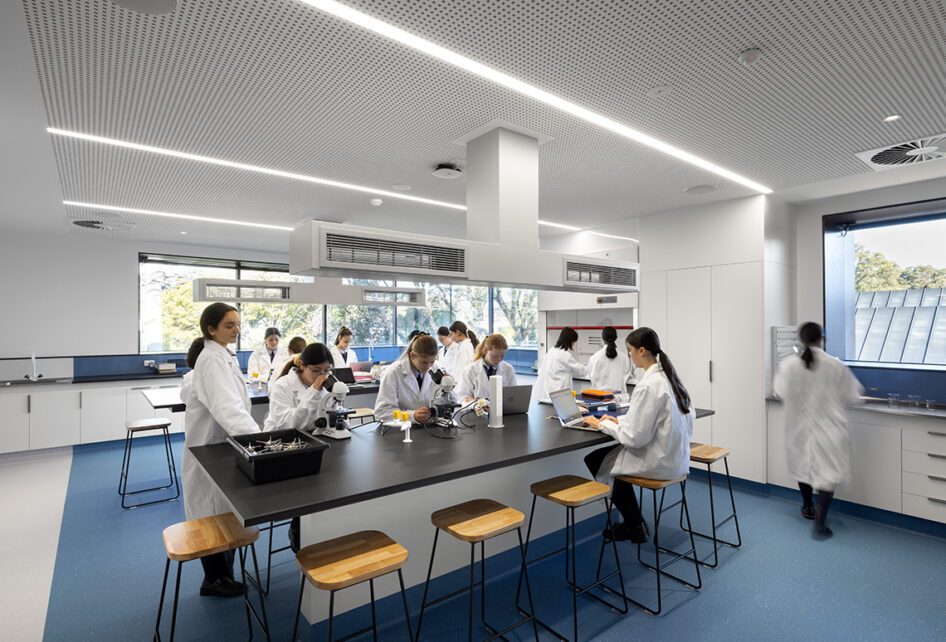
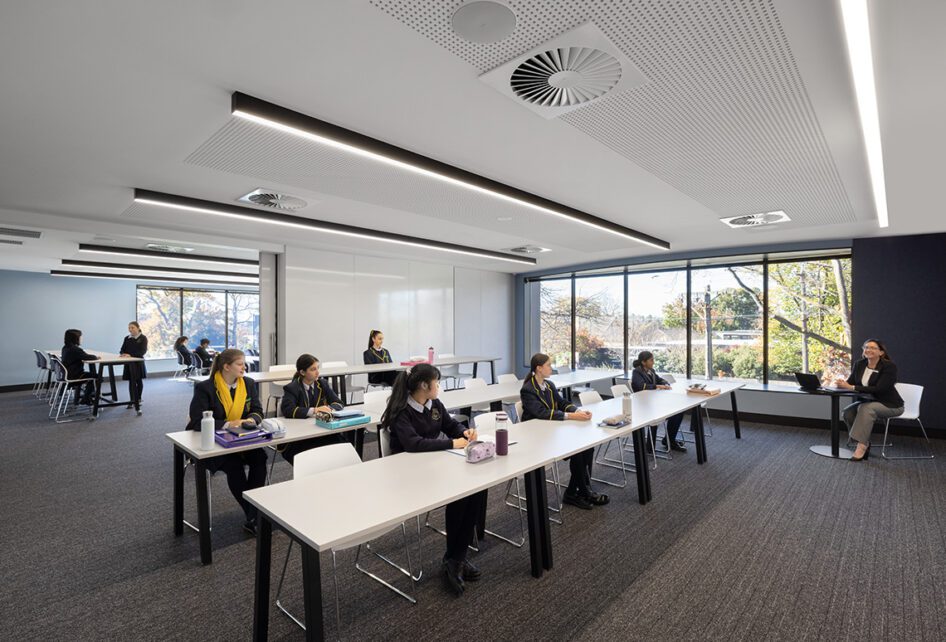
Windows and doors are not merely functional components of a building; they profoundly impact students’ learning experiences. When strategically designed and thoughtfully placed, windows and doors can contribute to a sense of openness and connection with the outside world, this connection to nature has been shown to enhance student well-being and engagement, leading to improved academic performance.
Natural light and its impact on learning
One of the most significant benefits of well-designed windows in educational settings is the abundant access to natural light. Natural light has been proven to have numerous positive effects on learning. Firstly, exposure to natural light helps regulate the body’s circadian rhythm, promoting better sleep patterns and overall health. When well-rested, students are more attentive and better equipped to absorb information. Additionally, natural light has been linked to improved mood and mental well-being. Students are more likely to be engaged and motivated in their studies when they are in a positive state of mind.
Furthermore, natural light has been shown to enhance cognitive function. Studies have found that students in classrooms with ample daylight perform better on standardised tests and exhibit higher levels of academic achievement.
Ventilation and air quality in the classroom
In addition to natural light, windows and doors also play a crucial role in maintaining proper ventilation and air quality in the classroom. Good air quality is essential for student health and concentration. Poor ventilation can lead to a buildup of carbon dioxide and other pollutants, which can cause drowsiness, headaches, and reduced cognitive function. Well-placed windows and doors can facilitate fresh air exchange, improving indoor air quality and creating a more stimulating learning environment.
Studies have shown that classrooms with adequate ventilation have higher student attendance rates and lower illness rates. Fresh air promotes alertness and helps prevent the spread of airborne diseases. By ensuring that classrooms are adequately ventilated, schools can create a healthier and more conducive environment for learning.
Noise reduction and its effect on concentration
Another important consideration regarding windows and doors in schools is noise reduction. Excessive noise can be highly distracting and detrimental to student concentration. Well-insulated windows and doors can help minimise external noise, creating a quieter and more focused learning environment.
Research has found that excessive classroom noise can impair speech perception, hinder reading comprehension, and negatively impact academic performance. By investing in windows and doors designed with acoustics in mind, schools can create a more peaceful and productive learning environment for students. Reduced noise levels also contribute to lower stress levels among students and teachers, further enhancing the overall well-being of the school community.
Safety and security considerations
Safety and security should be top priorities when designing educational facility windows and doors. Schools have a responsibility to ensure the safety of their students, and the choice of windows and doors plays a significant role in this regard.
Window restrictors in elevated applications are very important, reducing the risk of falls. Safety features such as toughened glass, reinforced frames, and secure locking mechanisms can help prevent accidents and intrusions. Selecting windows and doors of a commercial grade designed for high-traffic areas is also essential. Capral’s AGS range of products is well suited to educational environments and offers excellent durability.
Amplimesh Screens are a great addition, providing safety in elevated applications while allowing natural ventilation and increasing security against intruders or vandalism.
Windows and doors are vital to creating an inspiring learning environment in Australian schools. From the abundance of natural light to improved ventilation and noise reduction, these architectural features significantly impact student performance, motivation, and well-being. By understanding the importance of design elements such as natural light, ventilation, noise reduction, safety, and the latest window and door technology trends, educators, school administrators, and parents can work together to create optimal learning environments for the next generation of students.
Our Range
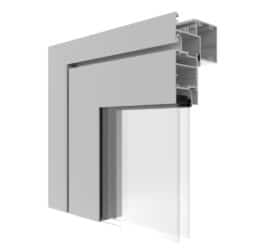 AGS Commercial 50 Multi-point Awning
A high-performance commercial awning window with integrated multi-point locking.

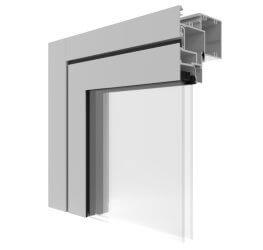 AGS Commercial 50 Awning Sash
The AGS 50 Series window is a high-performance commercial awning window compatible with AGS framing.
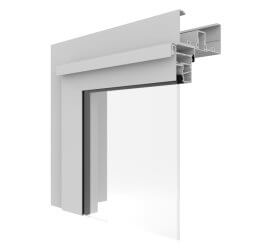


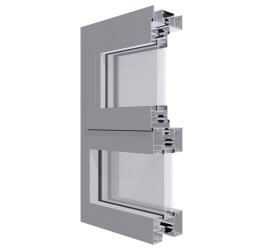
 Futureline Horizontal Sashless Window
The Futureline Horizontal Sashless Window is a sleek, modern take on the traditional sliding window.

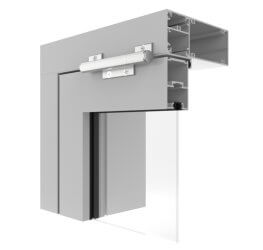
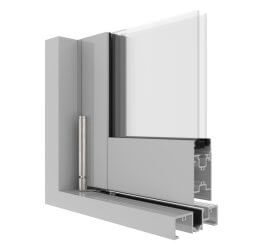


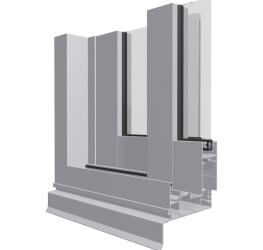
 Futureline 994TB Sliding Door
The Futureline 994TB Sliding Door is a premium option for convenience, comfort, and efficiency.
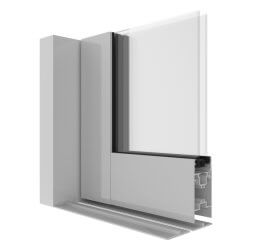
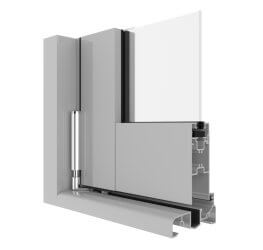
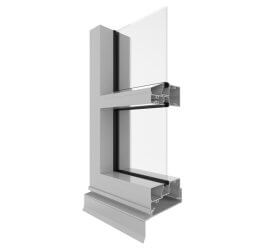
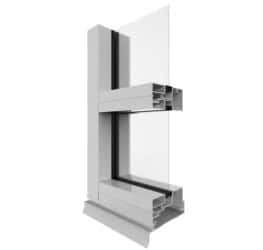 SGS Commercial 400 Narrowline Single Glazed (100mm) (QLD Only)
The SGS 400 Narrowline framing system redefines the standard for centre-glazed framing.


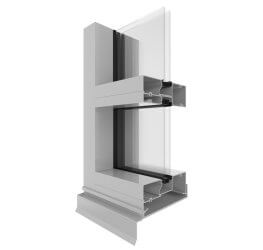

 AGS Commercial 1029 Flushline Double Glazed (250mm)
Flushline AGS1029 is the new name for the product formerly known as Flushline419DG 250mm * 55mm




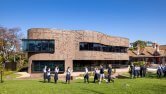
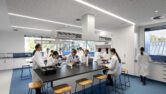
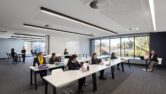
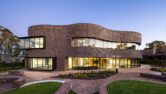
Windows and Doors tested to ensure they are suitable for use in Education Projects
In Australian schools, the design and placement of windows and doors can significantly influence student performance, motivation. Capral tests all its windows and doors to esnure they are fit for purpose in specific project applications

AS2047:2014 Windows and external glazed doors in buildings
Sets out the minimum requirements for windows and glazed door products used in Australian buildings. All products shown with this mark have been tested and comply with this standard

AS1428.1 Design for Access and Mobility
Provides building designers and users (architects, property owners and regulators) with the minimum design requirements for new building work to enable access for people with disabilities.

ASI Chain of Custody (V2 2022)
The ASI Chain of Custody Standard creates a link from company practices to responsible sourcing of products, by connecting Certified suppliers and customers.

ASI Performance Standard (V3 2022)
The ASI Performance Standard defines environmental, social and governance principles and criteria, which address a broad range of sustainability issues in the aluminium value chain.
Related Projects
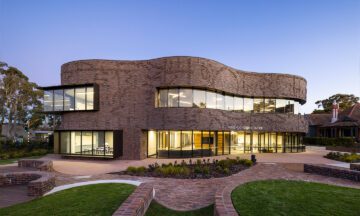
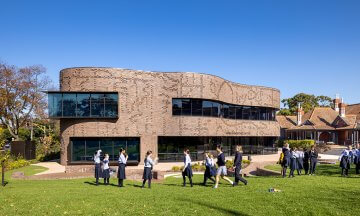
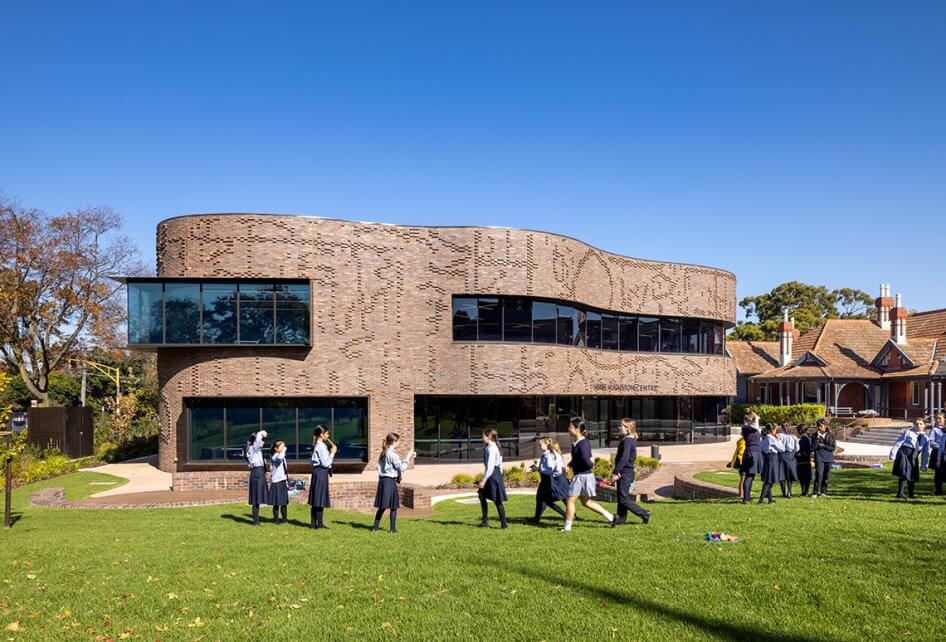
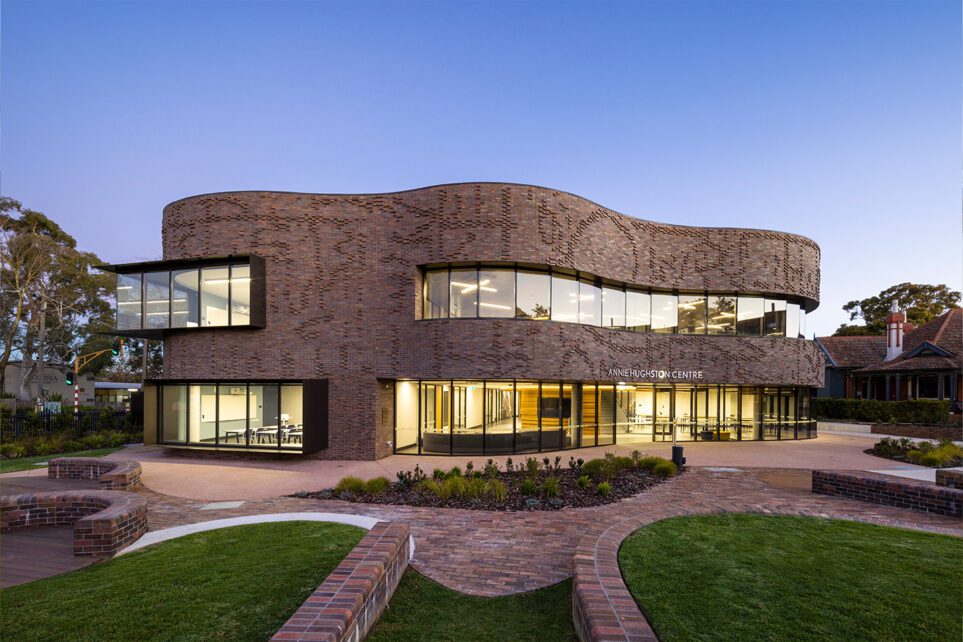
Annie Hughston Centre, Fintona Girls’ School
The Annie Hughston Centre responds to the learning challenges of today and tomorrow with Capral's AGS Commercial 300 Narrowline framing system.
Education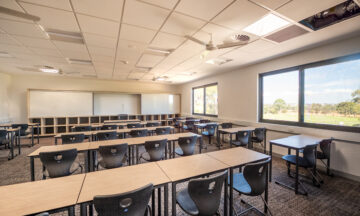
Australind Senior High School
Discover how LGA Enhanced Educational Spaces with Capral Aluminium Systems and Amplimesh SupaScreen Security
Education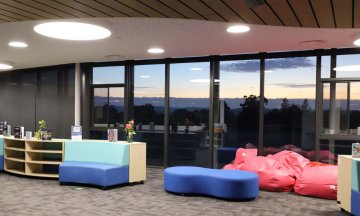
Ballarat Grammar 5/6 Centre
Ballarat Grammar’s 5/6 Centre beautifully displays Capral’s impressive capacities within a future-focused educational setting.
Efficiency and Comfort Education