
 Revit/BIM Content


 Buy Aluminium online








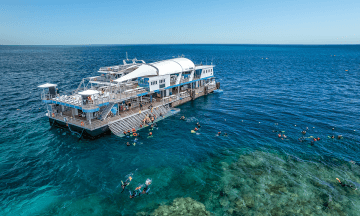





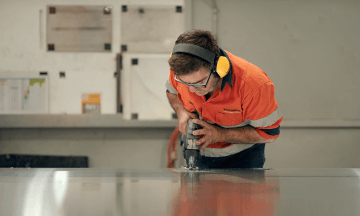

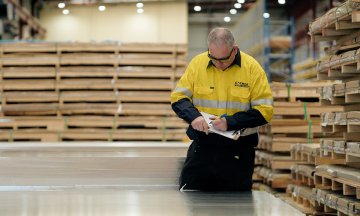
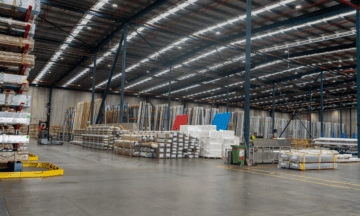
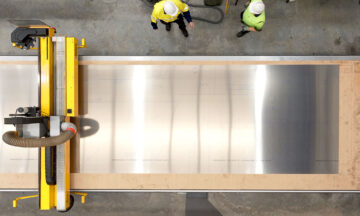







Leading adventure and leisure tourism company Experience Co. recently put the finishing touches to one of Australia’s most ambitious construction projects – the state-of-the-art Reef Magic Pontoon. Serving as an extensive research and tourism base for the Great Barrier Reef, the structure was designed and manufactured by English Engineering with extensive use of Capral materials.
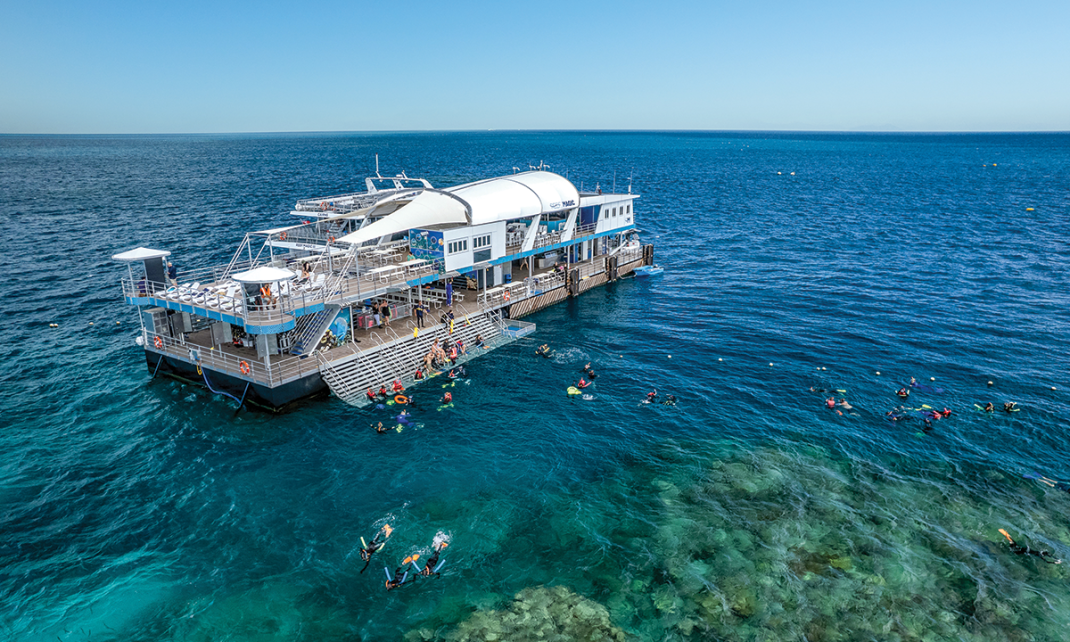
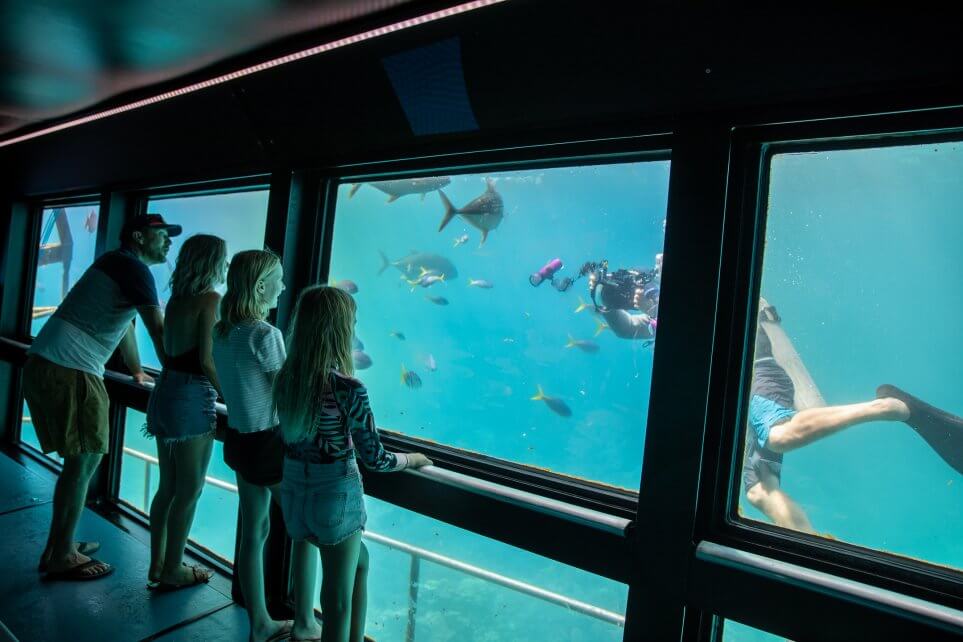
The pontoon is a staggering 45.6m long and 12m wide, with two continuous decks of around 1000m2 in area and an underwater observatory on the third deck with floor-to-ceiling windows. This jaw-dropping project required a year of planning plus a full year of construction. Tourism co-exists with a comprehensive scientific focus, with a lab and accommodation onboard to cater for marine biologists staying on the pontoon to study the reef in detail.
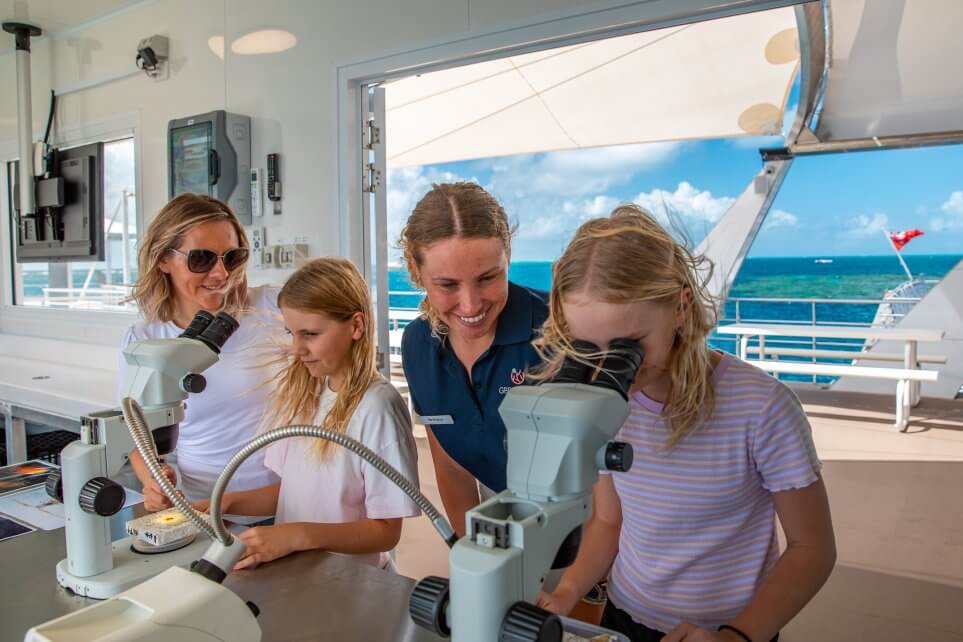
This world-class research and education headquarters symbolises Experience Co’s commitment to sustainability, culture, and biology. The large interactive underwater observatory doubles as a classroom, with views of underwater life, commentary from marine biologists, and a dedicated laboratory facilitating partnerships with world-leading researchers. The laboratory contains everything required to teach visitors about the reef, including examples of starfish and other underwater sea life.
Environmentally, the pontoon has been designed along sustainable principles. With three wind generators and 16 solar panels generating 48kW of power, the massive structure creates all the energy required to carry out its vital work continuously.
Susan Plath, Marketing and Development Manager at English Engineering, outlines some crucial features.
“The Reef Magic pontoon does a brilliant job of facilitating tourism. It enables everybody to access the wonders of the Great Barrier Reef, even without a boat or snorkelling equipment,’’ she says. “With disabled entry and scuba facilities, it’s basically a one-stop-shop for visiting the reef. The underwater observatory allows people to observe the reef without swimming, and there are lifesaver towers for those wishing to swim,” Susan continues.
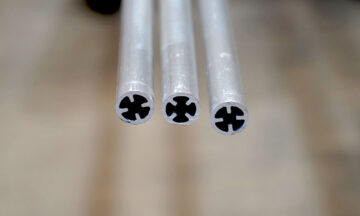
“The Reef Magic Pontoon uses Capral 5083 marine-grade structural aluminium for plates and 6082 marine-grade structural aluminium for extrusions,” Susan notes. “Bill Lonergan, Capral’s local representative, put in a great effort throughout the entire project. Capral worked closely with the marine engineers to work out which materials were ideal to use in each specific area, giving us the best possible result.
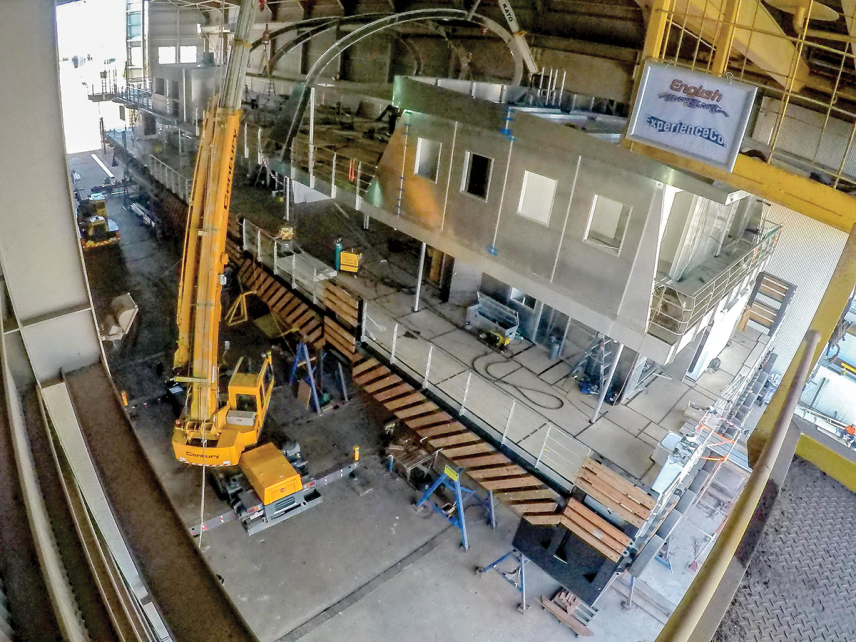
“As this 250-tonne structure is built to survive 30 years on the reef, it needs to endure cyclones and extreme weather,” Susan continues. “Marine Survey requirements called for the aluminium plate to have ‘DNV’ test certificates. Fortunately, Capral supplied English Engineering with the certification required for all aluminium used on the build, as nothing less would be accepted by the Marine Surveyors and the ‘Australian Maritime Safety Authority’. Capral is currently the only DNV-certified manufacturer of aluminium extrusion in Australia. In addition, they have the largest stocked range of DNV-certified plates, sheets and extrusions in Australia. Having access to DNV-certified material locally is so important for the Australian marine sector.”
Manufactured in Cairns, this world-leading vessel is a genuine one-off.
“There are only about ten similar pontoons in the world, with seven or eight currently off the Queensland coast. Everything had to be custom-made.
It was designed for the client’s specific needs (including wind loads), making it invaluable to have a supplier like Capral working closely with the engineers.”
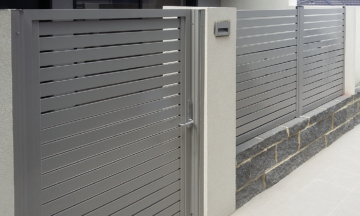
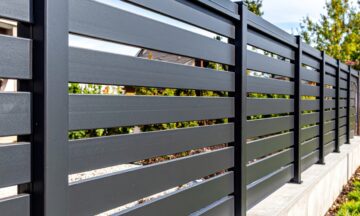
Many components were used innovatively. “We used Capral’s Quiklok screen system with a powder-coated white pearl finish, usually used in fencing and screens, in the massive 45m x 10m ceiling, turned horizontally,” Susan notes. “The scale was daunting at first, but we nutted things out with their assistance.’’
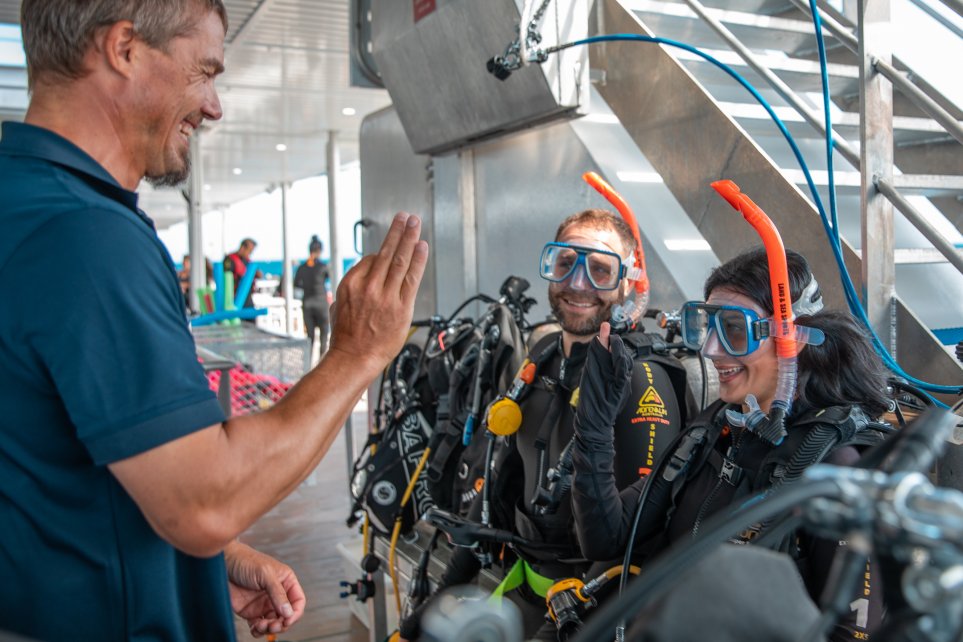
The remote location at Moore Reef – about 45 kms from Cairns – is a spectacular location to experience the reef. “From Cairns, it’s a two-hour journey,” explains Susan. “Once there, you can scuba, snorkel, or even helmet dive, and for those wishing to stay dry, there is touring in glass-bottomed boats and semi-submersibles. There’s even a special metre-high child’s pool for children learning to swim, separated, and protected from the reef, with Capral aluminium.”
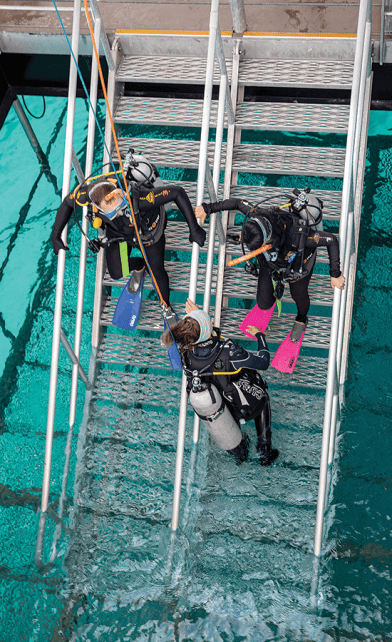
The structure’s central 15-metre diving platform makes it safe for passengers to enter and exit the reef. There’s also a dive entry area for certified divers and helmet diving tours.
“This innovative new platform features a series of substantial ‘grandstand’ like platforms running down the side of the structure,” says Susan. ”Instead of a rectangular platform, visitors now walk down the substantial stairs (30 lineal metres in area) and straight into the water. Seeing a cavalcade of people visiting the reef from the pontoon is extraordinary.
“Fish usually welcome visitors into the world of the reef,” she observes. “People can get up close with the Māori Wrasse, locally known as ‘Wally’; it is almost like the reef dwellers are proudly welcoming you into their home, showing off its beauty and wonder. I’ve even been escorted around the reef by what seemed like a hundred little yellow fusiliers!
“With such extensive facilities, there’s no need to leave. There’s a capacity for 250 people on the Reef Magic pontoon, with the layout designed to make the reef easily accessible to all, so there is always room to relax and enjoy all that Reef Magic has on offer.”
The mammoth process of creating the pontoon has all been worth it. “After
14 months of exertion, we all love her, and we’re extremely proud of the end result,” Susan concludes. “What better way could there be to experience the Great Barrier Reef’s glories?’’